

Digital twins are increasingly positioned as a critical capability for asset owners as the UK construction and property sectors continue to evolve. With rising pressure to improve operational efficiency, meet sustainability targets, and remain compliant with expanding regulatory requirements, the need to make better use of asset data is clear.
However, one of the fundamental challenges we face as an industry is that we do not yet share a common understanding of what a digital twin actually is. Without agreement on what success looks like, it becomes very difficult to achieve it consistently. If we are all aiming at different targets, the outcome will inevitably be fragmented.
Digital twins must ultimately exist to solve real problems in the built environment and asset management, not simply to introduce another layer of digital complexity.
Clarity Before Capability
Much of the discussion around digital twins remains theoretical. Definitions vary widely, and there is a tendency for every second conversation to involve someone claiming to be a “digital twin expert”. The reality is that true expertise can only come from widespread, practical adoption – and we are not there yet.
If digital twins were genuinely embedded across industry at scale, with clear, measurable outcomes, then we would begin to see shared experience and evidence. Instead, when conversations move beyond theory and are pushed towards actionable examples of digital twins in use, the discussion often goes quiet.
This highlights the need for the industry to pause and align. Agreeing a shared definition and purpose for digital twins is not academic; it is foundational. Without that alignment, we risk investing time and money into solutions that look impressive but fail to deliver meaningful value.
Solving Real Disconnects in Asset Management
At their core, digital twins should address the long-standing disconnects in how we manage and operate assets. One of the most persistent challenges is the variability in digital knowledge and capability across organisations and roles.
Digital twins must therefore be simple enough to use, not just technically capable. If they rely on specialist knowledge to access or interrogate, they risk becoming niche tools rather than everyday assets. The value lies in making the right information available to the right people at the right time.
This means:
- Interactive and intuitive interfaces
- Customisable views tailored to different roles
- Clear separation between complexity in the background and simplicity at the point of use
A digital twin that cannot be easily understood or trusted by its users will struggle to gain traction, regardless of how advanced it is technically.

From Theory to Evidence
There is no shortage of working groups, frameworks, and initiatives exploring digital twin inputs and outputs. While this activity is important, the fragmentation of effort is a growing concern. Collaboration across the industry is essential if we are to avoid duplicating work and arriving at yet more disconnected approaches.
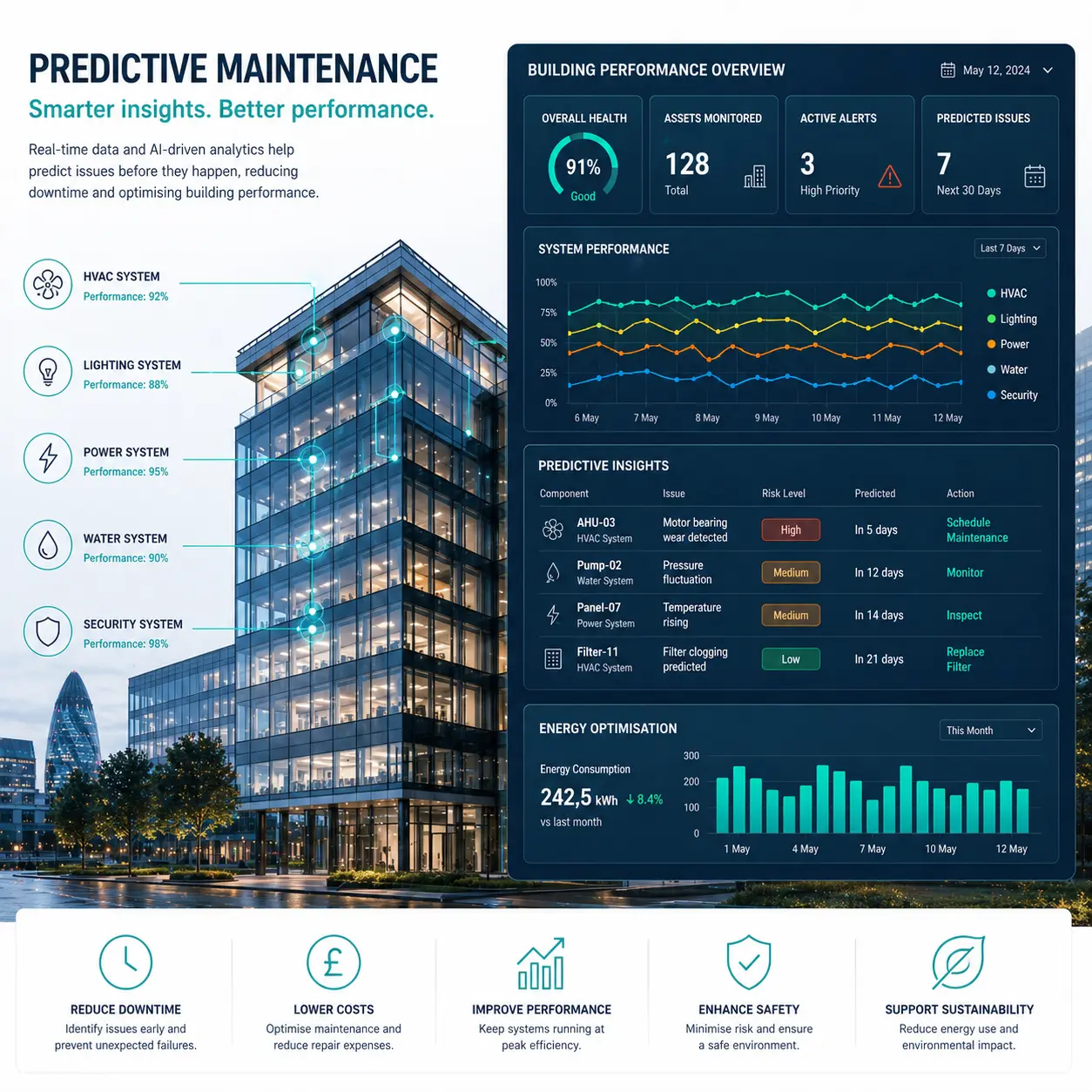
More importantly, we need to shift the balance of conversation away from theory and towards evidence. Digital twins should be judged on what they demonstrably improve: better decision-making, reduced risk, improved efficiency, and clearer insight into asset performance.
Until we consistently see digital twins deployed in live environments, delivering tangible outcomes, claims of maturity should be treated with caution.
A Practical Path Forward
Digital twins are not an end in themselves. They are a means to improve how we understand, operate, and invest in our assets. To realise their potential, the industry needs to do three things well:
- Agree on what we mean by a digital twin and what it is expected to deliver
- Design solutions that prioritise usability and accessibility, not just technical sophistication
- Collaborate openly, sharing lessons learned from real-world implementation
If we can move forward on this basis, digital twins have the potential to become a genuinely valuable part of asset management. Until then, they risk remaining an idea that is talked about far more than it is applied.